- About
- Programs
- Faculty of Graduate Studies and Research
- PhD in Business and Management Studies
- PhD in Information and Communication Technology
- Master of Science in Information Technology (MSc.IT)
- Master of Science in Cyber Security and Forensics
- Master of Science in Digital Finance and Technology
- Master of Science in Public Health (General)
- Master of Science in Public Health – Health Informatics
- Master of Science in Public Health – Epidemiology and Biostatistics
- Master of Business Administration (MBA)
- Faculty of ICT
- Master of Science in Information Technology (MSc.IT)
- Master of Science in Cyber Security and Forensics
- Bachelor of Science in Animation and Visual Effects (B.Sc. VFX)
- Bachelor of Science in Applied Information Technology (B.Sc. AIT)
- Bachelor of Science in Artificial Intelligence and Machine Learning (B.Sc. AI & ML)
- Bachelor of Science in Networking and Cyber Security (B.Sc. NCS)
- Bachelor of Science in Computer Science (B.Sc. CS)
- Faculty of Health Sciences
- Faculty of Business & Commerce
- Master of Science in Digital Finance and Technology
- Master of Business Administration (MBA)
- Bachelor of Business Administration in International Marketing (BBA-IM)
- Bachelor of Business Administration in International Business (BBA-IB)
- Bachelor of Hotel Management (BHM)
- Bachelor of Human Resource Management (BHRM)
- Bachelor of Science in Applied Economics (BSc-AE)
- B.Sc. Accounting and Finance
- Faculty of Engineering
- Diploma Programmes
- Pre-University / International Foundation
- Short Courses (Professional / Skill-based)
- Certified Cyber Security Specialist (CCSS)
- Certified Ethical Hacker (CEH) Certification
- Computer Hacking Forensic Investigator (CHFI) Certification
- ISBAT Certified Integrated IT Infrastructure Specialist Programme
- Data Science
- Python
- Cloud Computing
- Linux for Beginners
- Cyber Security for Beginners
- Certified Network Associate (CNA)
- PMP
- Faculty of Graduate Studies and Research
- ISBAT Online
- Research & Innovation
- Alumni
- Career

Careers of Tomorrow: Key Takeaways from ISBAT University’s Panel Discussion at Job Connect Festival
May 22, 2026
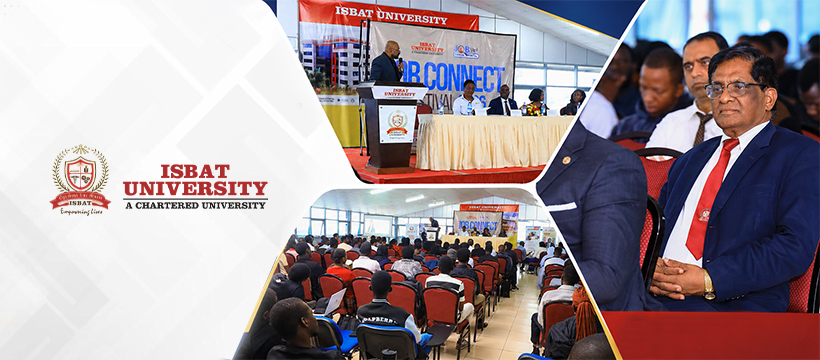
At this year’s Job Connect Festival 2026, one of the most engaging conversations came from the panel discussion hosted by ISBAT University on the theme:
“Careers of Tomorrow: Navigating a Rapidly Changing Job Market”
The session brought together students, professionals, industry leaders, and guests from different sectors to discuss a question many young people are currently asking themselves: How do we stay relevant in a world where jobs, industries, and workplace expectations are constantly changing?
The discussion created an open and honest space where experienced professionals shared practical insights about career growth, employability, workplace culture, and the future of work. Rather than focusing only on theory, the speakers addressed real-world challenges students and graduates are likely to face as they enter today’s competitive job market.
A Conversation That Felt Timely and Relevant
Across industries, technology and changing business needs are reshaping the way companies hire and operate. Employers are now looking beyond academic qualifications. Skills such as communication, adaptability, emotional intelligence, creativity, and problem-solving are becoming just as valuable as technical expertise.
This shift formed the heart of the discussion.
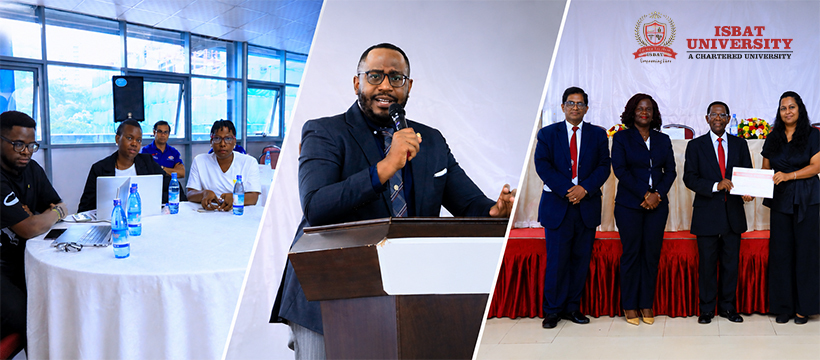
Students attending the session had the opportunity to hear directly from professionals who are actively involved in recruitment, leadership, human resources, entrepreneurship, and organizational development. The panelists spoke candidly about what employers are currently looking for and how young professionals can better position themselves for future opportunities.
The panel featured:
- Mr. Moses Ssekabira – Head Agency Recruitment, Prudential Uganda Ltd
- Ms. Lillian Bagambe – Founder, Discoveri Uganda Ltd
- Ms. Pamella Nakawooya – HR Department, True African Uganda Ltd
- Ms. Samantha Apio – Deloitte Uganda
Each speaker brought a unique perspective shaped by their professional experiences, making the discussion both balanced and insightful.

More Than Degrees: The Growing Importance of Employability Skills
One of the strongest messages shared throughout the session was that academic performance alone is no longer enough in today’s job market.
The panelists emphasized that while qualifications remain important, employers are increasingly searching for individuals who can work effectively with teams, adapt quickly to change, communicate clearly, and take initiative in challenging situations.
Several speakers highlighted the importance of continuous learning. In a world where industries are evolving rapidly, graduates who remain curious and open to learning new skills are more likely to succeed in the long term.
Students were encouraged to take internships seriously, build professional networks early, and seek opportunities that allow them to gain practical exposure outside the classroom. The discussion also touched on the growing value of digital skills and the need for young professionals to remain flexible as career paths continue to evolve.
Honest Insights About the Workplace
One reason the session resonated strongly with attendees was the honesty of the conversations.
Rather than presenting an idealized version of professional life, the speakers acknowledged the realities many graduates face after university. From handling rejection during job applications to adapting to workplace expectations, the panelists spoke openly about the challenges young professionals may encounter during the early stages of their careers.
This honesty made the discussion feel relatable and authentic.
Students appreciated hearing practical advice from professionals who have navigated similar experiences themselves. The conversation encouraged attendees to view career growth as a continuous process rather than a fixed destination.
The panel also explored how workplace environments are changing. Companies today are paying closer attention to collaboration, workplace culture, leadership potential, and emotional intelligence. Technical competence remains essential, but organizations are increasingly investing in people who can contribute positively to team dynamics and organizational growth.
Distinguished Guests Added Depth to the Conversation
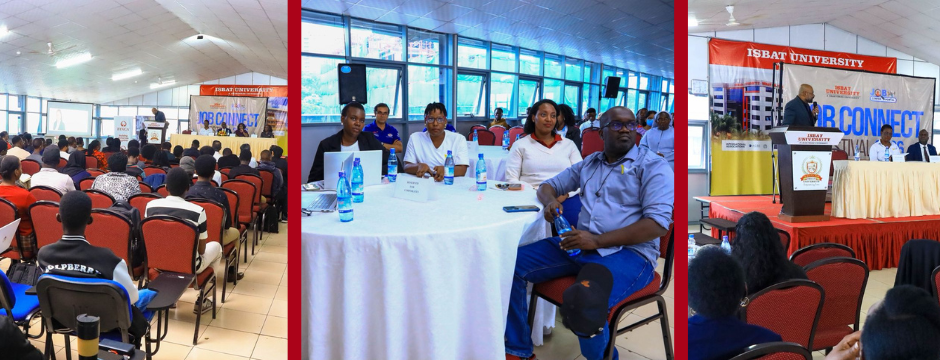
The event was further enriched by the presence of respected leaders and distinguished guests who continue to play important roles within Uganda’s professional and business community.
The session was honored by:
- Chief Guest: Mr. Milton Steven Owore, Chief People & Culture, NSSF
- Special Guest: Mr. Stephen Kalibbala, Director, Uganda National Chamber of Commerce and Industry
- Special Guest: Ms. Miriam Icheru, Chief People & Culture, Pride Bank Ltd
Their participation reinforced the importance of stronger collaboration between universities and industry leaders.
The guests highlighted the growing need for institutions and employers to work together in preparing students for real workplace demands. As industries continue to transform, conversations like these help bridge the gap between academic learning and professional expectations.
For many students in attendance, hearing from experienced leaders added inspiration and perspective to their understanding of career development.
Preparing Students for an Unpredictable Future
One of the key themes that emerged during the session was adaptability.
The future job market is expected to continue changing due to technological advancement, automation, artificial intelligence, and shifting business models. Some career paths will evolve significantly, while entirely new opportunities may emerge over the next decade.
The panelists encouraged students not to fear change, but to prepare for it.
Young professionals were advised to focus on building transferable skills that remain valuable across industries. Skills such as critical thinking, leadership, communication, collaboration, and digital literacy were repeatedly emphasized as essential for long-term career growth.
The discussion also encouraged students to remain proactive about their development. Waiting for opportunities alone may no longer be enough. Instead, students were reminded of the importance of seeking mentorship, improving their personal branding, staying informed about industry trends, and continuously upgrading their knowledge.
A Meaningful Experience for Students and Participants
Beyond the professional insights, the session also created an atmosphere of motivation and reflection.
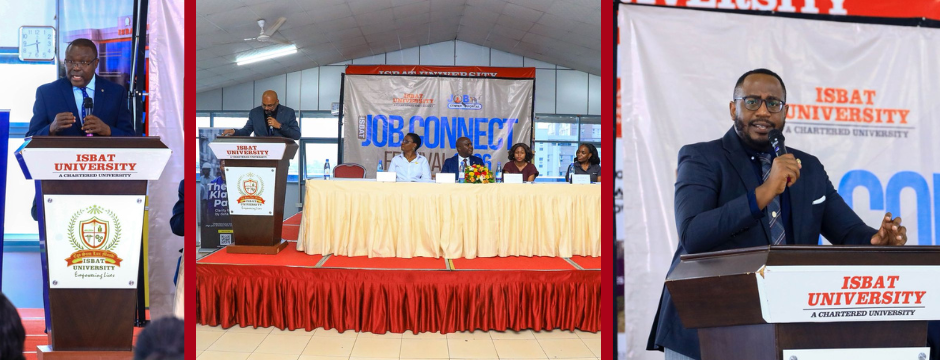
Students had the opportunity to engage with professionals they admire, ask questions, and gain a clearer understanding of what employers expect from the next generation of talent. The event encouraged conversations that extended beyond the panel itself, creating valuable networking and learning opportunities for attendees.
For ISBAT University, the session reflected its ongoing commitment to preparing students not only academically, but also professionally and personally for the future workplace.
As the discussion concluded, one message stood out clearly throughout the room: success in tomorrow’s world will belong to individuals who are willing to learn, adapt, innovate, and grow with change.
ISBAT University extends sincere appreciation to all speakers, guests, students, and participants who contributed to making the panel discussion impactful, engaging, and memorable. Conversations like these continue to inspire the next generation of professionals while strengthening the connection between education and industry.

Since 2006, ISBAT University is ranked consistently among the top higher education institutions in Uganda.