- About
- Programs
- Faculty of Graduate Studies and Research
- PhD in Business and Management Studies
- PhD in Information and Communication Technology
- Master of Science in Information Technology (MSc.IT)
- Master of Science in Cyber Security and Forensics
- Master of Science in Digital Finance and Technology
- Master of Science in Public Health (General)
- Master of Science in Public Health – Health Informatics
- Master of Science in Public Health – Epidemiology and Biostatistics
- Master of Business Administration (MBA)
- Faculty of ICT
- Master of Science in Information Technology (MSc.IT)
- Master of Science in Cyber Security and Forensics
- Bachelor of Science in Animation and Visual Effects (B.Sc. VFX)
- Bachelor of Science in Applied Information Technology (B.Sc. AIT)
- Bachelor of Science in Artificial Intelligence and Machine Learning (B.Sc. AI & ML)
- Bachelor of Science in Networking and Cyber Security (B.Sc. NCS)
- Bachelor of Science in Computer Science (B.Sc. CS)
- Faculty of Health Sciences
- Faculty of Business & Commerce
- Master of Science in Digital Finance and Technology
- Master of Business Administration (MBA)
- Bachelor of Business Administration in International Marketing (BBA-IM)
- Bachelor of Business Administration in International Business (BBA-IB)
- Bachelor of Hotel Management (BHM)
- Bachelor of Human Resource Management (BHRM)
- Bachelor of Science in Applied Economics (BSc-AE)
- B.Sc. Accounting and Finance
- Faculty of Engineering
- Diploma Programmes
- Pre-University / International Foundation
- Short Courses (Professional / Skill-based)
- Certified Cyber Security Specialist (CCSS)
- Certified Ethical Hacker (CEH) Certification
- Computer Hacking Forensic Investigator (CHFI) Certification
- ISBAT Certified Integrated IT Infrastructure Specialist Programme
- Data Science
- Python
- Cloud Computing
- Linux for Beginners
- Cyber Security for Beginners
- Certified Network Associate (CNA)
- PMP
- Faculty of Graduate Studies and Research
- ISBAT Online
- Research & Innovation
- Alumni
- Career


Career Opportunities After Completing Data Science Courses in Uganda
March 13, 2026
Data shapes many choices in daily life. People see numbers in school, business, and health. Today, groups collect information from phones and computers. Therefore, they need people who can read and explain it. This need creates new career paths for young learners. Many students now explore data science courses in Uganda to build practical skills. They learn to study numbers and find useful meaning. In addition, they practice solving simple real problems. Uganda also sees steady digital growth across sectors. So, trained workers can support smart decisions. This guide shares clear ideas about careers after training. It explains roles, industries, and helpful skills. Furthermore, it shows how beginners can grow step by step. By the end, you will see how data skills connect to real jobs and future goals. These ideas help learners choose paths with confidence and clear direction.
The Growing Demand for Data Science Skills in Uganda
Uganda’s economy now uses more technology each year. As a result, companies collect large amounts of information. However, raw numbers alone do not help. Skilled people must study and explain them. That is why data science courses in Uganda attract many learners today. Banks track customer habits to improve services. Telecom firms study usage to plan better networks.
In addition, online shops watch buying trends. Government groups also use data for planning. Therefore, trained workers are needed in many places. Yet, the number of skilled experts is still small. This gap creates chances for new graduates. So, learners who gain these skills can find many paths. The demand continues to rise as more sectors adopt digital tools.
Core Competencies Gained from Data Science Courses in Uganda
Learners build strong basics during training. They study simple statistics and logical thinking. They also practice coding with friendly tools. For example, they learn Python and SQL at a basic level. Many programs include charts and visual reports. So, students learn how to show data clearly. Data science courses in Uganda also use small projects. These projects teach how to handle real data. In addition, students practice teamwork and sharing ideas. Communication matters because findings must be clear.
Therefore, learners grow both technical and soft skills. Step by step, confidence also improves. These abilities help graduates enter different job roles. Employers often look for people who can think and explain. So, these competencies connect learning to real work needs.
Top Career Paths for Data Science Graduates in Uganda
Data Analyst
A data analyst works with numbers every day. They collect, clean, and organize data for use. Then, they create reports and simple charts. These charts help managers understand trends. Therefore, companies make better choices. Many banks and telecom firms hire analysts. This role suits beginners. It builds strong experience. In addition, it teaches careful thinking and clear reporting.
Data Scientist
A data scientist studies patterns in large data sets. They use coding and statistics to find meaning. Then, they make predictions from past trends. These predictions guide business plans. Therefore, companies reduce risks and plan better. This role needs deeper knowledge. However, it brings strong growth. Many large firms seek these experts for planning and strategy support.
Business Intelligence Analyst
A business intelligence analyst focuses on business reports. They prepare dashboards and summaries for leaders. These reports show company performance. So, leaders make informed decisions. This role mixes data and business knowledge. In addition, it needs clear communication. Many offices value this support. It suits people who enjoy both numbers and business ideas.
Machine Learning Engineer
A machine learning engineer builds systems that learn from data. They create models that improve over time. For example, systems can suggest products or detect problems. Therefore, companies automate tasks. This role needs coding and logical thinking. It is more specialized. However, demand is growing. Some experts also work with global teams on remote projects.
Data Engineer
A data engineer prepares and manages data systems. They build pipelines that move data safely. They also manage databases and storage. So, analysts get clean data. This role supports the whole data team. It needs planning and technical skills. Many large firms need engineers. Therefore, this path offers stable growth for technical learners.
Research and Academic Roles
Research roles use data to answer big questions. Workers study health, education, or social issues. They collect and review data carefully. Then, they share findings in reports. These findings guide programs and policies. Universities and NGOs offer such roles. This path suits curious minds. In addition, it supports social impact and community growth.
Key Industries Hiring Data Science Professionals in Uganda
Different sectors now depend on data work. Financial companies study risks and customer behavior. Telecom firms track service quality and usage. Health groups review records to improve care. Farmers and agriculture groups study weather and yields. Retail stores watch sales and buyer choices. NGOs measure program impact with numbers. Because of this wide need, data science courses in Uganda remain relevant.
Graduates can choose sectors that match their interests. Some prefer social impact work. Others enjoy business settings. Furthermore, each sector offers learning chances. Therefore, career paths are not limited to one field. Skills can move across industries. This flexibility helps workers adapt over time. So, data knowledge supports many useful roles in Uganda’s economy.
Freelance and Remote Work Opportunities in Data Science
Work is changing in the modern world. Many people now work online from home. Data tasks fit well with remote work. Analysts can study data and send reports online. Freelance platforms list many small projects. Therefore, beginners can start with short tasks. Over time, they build strong portfolios. Data science courses in Uganda help learners prepare for this path. They teach tools used worldwide.
In addition, communication skills support remote teamwork. However, discipline is important for homework. People must manage time well. Still, remote jobs give global exposure. So, workers can serve clients from many countries. This path also allows flexible schedules. Therefore, freelancing can support income and experience growth.
Salary Expectations for Data Science Professionals in Uganda
Pay levels differ across roles and sectors. Beginners often start with modest pay. However, skills and experience raise value over time. Private firms may pay more than small groups. NGOs sometimes offer stable roles with learning chances. Remote jobs can bring higher earnings. Data science courses in Uganda often guide learners about growth paths. So, students learn to plan long-term.
Furthermore, building a strong portfolio helps in pay talks. Certifications and projects also add value. Therefore, income grows with effort and time. People should focus on steady progress. Quick success is rare in any field. Still, data careers show good potential. With patience, workers can reach comfortable levels.
Skills That Enhance Employability in Data Science
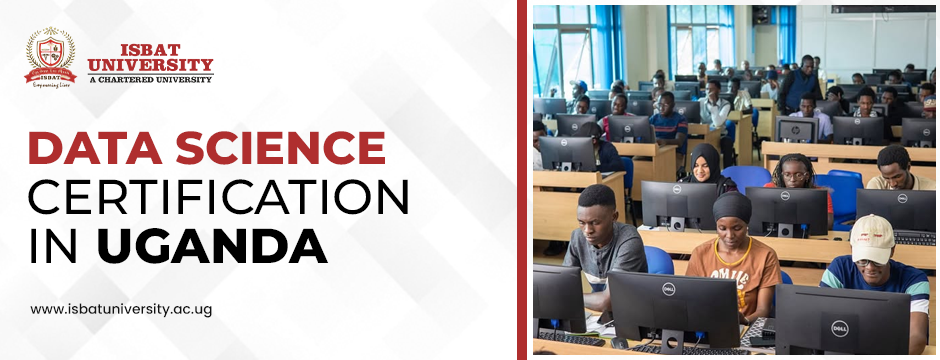
Employers like balanced skill sets. Technical ability is important for daily tasks. Clear speaking also helps during meetings. Teamwork supports smooth projects. Problem-solving shows real value. Some learners also earn a data science certification in Uganda to show proof of skills. Certifications can support job applications. Internships also give real exposure. Small projects build confidence and examples.
Therefore, learners should keep practicing. Furthermore, curiosity helps people grow faster. Reading and trying new tools also helps. Step by step, skills become stronger. Employers notice people who keep learning. So, steady effort improves job chances in this field.
Challenges Faced by New Data Science Graduates
Every career has some challenges. Data work also needs patience. Beginners may face strong competition. Some jobs ask for experience. Therefore, internships become helpful. Tools also change over time. So, learners must keep updating skills. Internet access can limit some practice.
However, many free resources exist today. Support from mentors also helps growth. Furthermore, small projects build confidence. Challenges can teach useful lessons. With focus, most problems can be managed. So, learners should stay positive. Step by step, progress appears.
Future Outlook for Data Science Careers in Uganda
The future looks promising for data roles. More groups now trust data for planning. Artificial intelligence tools also grow each year. Because of this, skilled workers stay valuable. Data science courses in Uganda will likely keep growing. More schools may offer training. Young people also show a strong interest. Therefore, the talent pool will expand. Uganda could grow as a tech hub. Furthermore, global links may increase. This creates new chances for workers. So, learners who start now prepare for tomorrow. The field may change, but data will stay important. Steady learners can find long-term paths here.
Final Thoughts
Data skills can open many doors for learners. They support work in business, health, and community projects. However, progress needs practice and patience. Therefore, learners should keep building small projects and clear portfolios. In addition, teamwork and communication improve results. Step by step, confidence grows with real tasks. Guidance from good teachers also helps. We support students with simple lessons and practical training. Our goal is to prepare you for real work. You can ask questions and receive simple guidance for your goals. If you want a friendly place to start, connect with us today at ISBAT University and explore your learning journey now.

Since 2006, ISBAT University is ranked consistently among the top higher education institutions in Uganda.